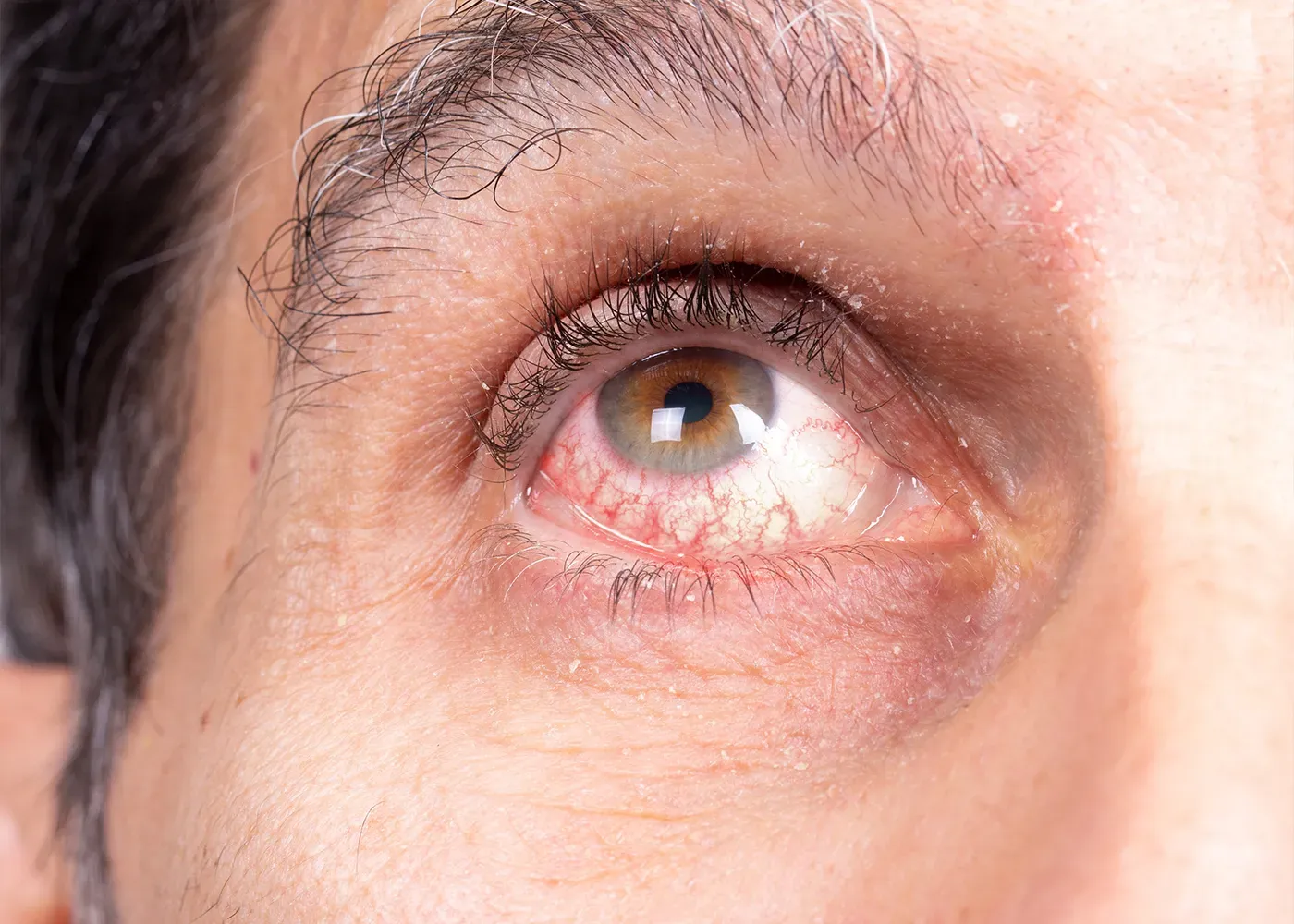
Uveitis is inflammation inside the eye that can affect vision and, in some cases, lead to serious complications without treatment. Greater Dallas Retina in McKinney, Texas, evaluates and treats uveitis involving the retina and other structures within the eye. Retina specialists Kruti Dajee, MD, Archana Nair, MD, and their team use detailed eye examinations and imaging to determine where inflammation is occurring and what may be causing it. Call Greater Dallas or use the online form to schedule a consultation today.
Uveitis Q & A
Where does uveitis occur in the eye?
Uveitis is classified by the part of the eye with inflammation. Types include:
- Anterior uveitis at the front of the eye. Patients can report symptoms such as red eyes, light sensitivity, eye pain, and blurry vision.
- Intermediate uveitis in the vitreous and surrounding tissues. Patients often report symptoms such as floaters and blurry vision.
- Posterior uveitis at the back of the eye. Patients will report signs such as blurry or distorted vision.
- Panuveitis, involving several areas throughout the eye
Uveitis can lead to blindness if left untreated. Prompt diagnosis and treatment is vital to ensure good vision. Ancillary tests may be required during the visit.
What causes uveitis?
In many cases, uveitis is idiopathic, meaning there’s no specific underlying condition. In other patients, uveitis may be associated with a variety of systemic autoimmune or infectious causes. Your provider may ask for outside testing for further evaluation.
Treatment depends on the cause and location of the uveitis. These treatments include drops, injections or systemic medications exist for treatment of uveitis. Sometimes your retina specialist will work with a rheumatologist, a physician specialized in treating inflammation in the body, to optimize the treatment and maximize visual outcomes.
Does uveitis always cause a red, painful eye?
Symptoms vary depending on which part of the eye is inflamed. Anterior uveitis commonly causes redness, aching eye pain, and sensitivity to light. Posterior uveitis may produce fewer outward signs and instead cause:
- Blurred or reduced vision
- New floaters
- Hazy vision
- Dark or missing areas in the visual field
- Distorted central vision
Symptoms can develop suddenly or gradually and may affect one or both eyes.
How is the cause of uveitis investigated?
The Greater Dallas Retina team performs a detailed dilated eye examination to assess the vitreous, retina, and other structures for signs of inflammation.
Optical coherence tomography (OCT) can detect complications, including macular edema. Fluorescein angiography may reveal inflamed or leaking retinal blood vessels, while autofluorescence imaging provides additional information about inflammatory changes affecting retinal tissue.
Depending on your findings and medical history, further investigation may include blood tests, chest imaging, or testing for specific infections/inflammatory diseases.
How is uveitis brought under control?
Corticosteroid eye drops, tablets, injections, and longer-acting implants reduce inflammation. Infection treatment involves antibiotics, antiviral medication, or other antimicrobial therapy.
More severe or recurrent noninfectious uveitis may require medications to suppress or modify the immune system.
Uveitis can lead to complications, including macular edema, glaucoma, cataracts, retinal damage, and permanent vision loss, so ongoing retinal monitoring is essential.
If you develop uveitis symptoms, contact Greater Dallas Retina by phone or request a specialist evaluation online today.